
Ear Lobe Necrosis Treatment in Vizag
18/05/2026
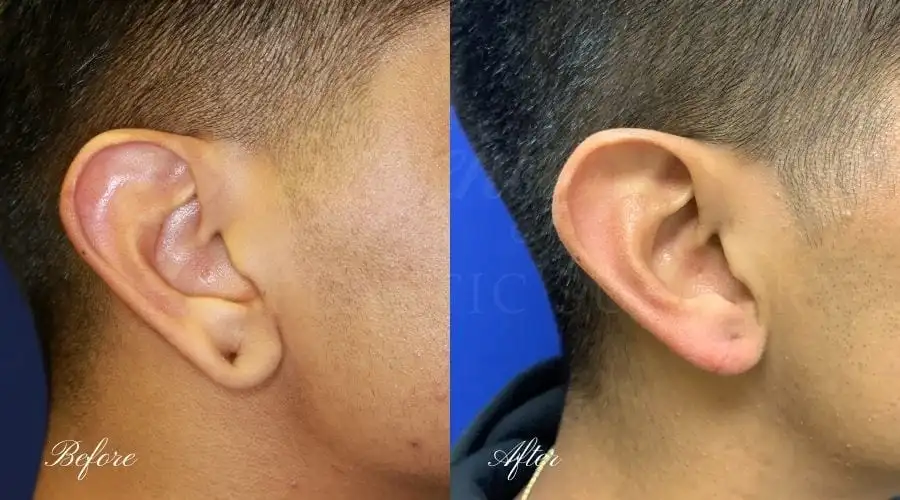
Ear Lobe Necrosis After Parlour Ear Piercing | Plastic Surgeon Explains
Ear piercing is commonly performed at beauty parlours and accessory stores. Although it appears simple, unsafe piercing techniques can sometimes lead to severe complications including infection, tissue death, deformity, and ear lobe necrosis.
Plastic surgeons frequently see patients with damaged ear lobes after improperly performed piercings using unsterile techniques or excessive pressure devices.
Watch: Ear Piercing Gone Wrong Explained by Plastic Surgeon
What Is Ear Lobe Necrosis?
Necrosis refers to tissue death caused by loss of blood supply. In the ear lobe, this can happen when infection, pressure, trauma, or unsafe piercing techniques compromise circulation.
The affected tissue may gradually become swollen, painful, dark purple, and eventually black if left untreated.
Why Parlour Ear Piercing Can Become Dangerous
- Use of unsterile piercing guns
- Poor hygiene practices
- Improper piercing angle
- Excessively tight earrings
- Low-quality metal allergy
- Repeated trauma after piercing
- Piercing through inflamed tissue
Unlike medical settings, many parlour procedures are performed without proper sterilization or anatomical understanding of blood supply.
Warning Signs After Ear Piercing
Seek medical attention immediately if you notice:
- Severe pain
- Increasing swelling
- Pus discharge
- Dark purple discoloration
- Blackening of tissue
- Foul smell
- Persistent bleeding
- Fever
- Skin peeling
Stages of Ear Lobe Necrosis
1. Early Inflammation
Redness, tenderness, warmth, and swelling begin around the piercing site.
2. Infection Stage
Pain increases with discharge and worsening swelling.
3. Compromised Blood Supply
The tissue becomes dusky, bluish, or dark purple due to reduced circulation.
4. Tissue Necrosis
The affected part of the ear may turn black due to tissue death.
Treatment Options
- Removal of infected jewellery
- Antibiotics
- Wound care and dressings
- Debridement of dead tissue
- Scar management
- Reconstructive ear lobe surgery
Advanced cases may require reconstructive plastic surgery to restore the shape and appearance of the ear.
How To Prevent Ear Lobe Necrosis
- Choose sterile medical piercing techniques
- Avoid untrained operators
- Maintain proper aftercare hygiene
- Avoid excessively tight earrings
- Seek early medical care if symptoms develop
When Should You Consult a Plastic Surgeon?
If there is persistent swelling, black discoloration, deformity, or tissue loss after ear piercing, early evaluation by a plastic surgeon is important.
Timely treatment can help prevent permanent deformity and improve cosmetic outcomes.
Conclusion
Ear piercing may appear minor, but unsafe parlour procedures can occasionally lead to devastating complications including ear lobe necrosis and permanent deformity.
Choosing sterile techniques and seeking prompt medical care are essential for safe healing.
Consultation
If you are experiencing complications after ear piercing, consult Dr Bhavya Sree for evaluation and reconstructive treatment options.